From Loose Ties to Lasting Bonds: The Science of Deeper Connection
What the research says about why a full dining room can still feel lonely, and what helps close the gap.
To help you live better and longer, our healthspan initiative offers research-backed insights for healthier living into how you eat, sleep, move and connect with others.
Living in a community doesn't guarantee feeling connected.
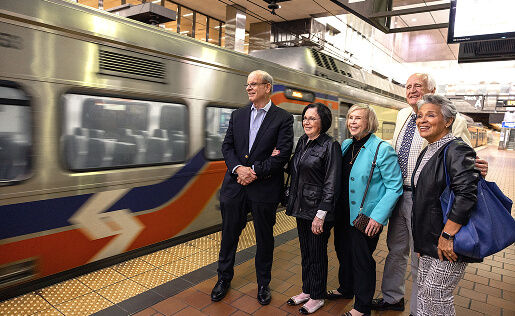
Many people recognize the paradox: You may be surrounded by people every day — neighbors in the hallway, familiar faces at your dining table, fellow residents or peers — and still feel lonely.
It turns out this isn't a contradiction at all. A growing body of research suggests that protecting against loneliness isn't about how many people you know, but how well you know them.
The good news? If you're reading this in a HumanGood community, you've already solved half the equation. Choosing community living means you don't need to drive somewhere to visit another person or face the isolation that can sometimes come with living alone. The people who could become your deepest connections may already be nearby!
In honor of World Mental Health Day this October, this piece explores what science says about loose and deep connections, why some life transitions can make deeper connections harder to sustain, and practical ways to build it.
The Difference Between Knowing People and Being Known
Loose connections are the pleasant, low-effort interactions that make up daily life: a wave in the hallway, small talk over dinner, a familiar face in a fitness class.
Deep connections go further. They involve trust, mutual vulnerability and truly being known by another person.
Recent research backs up what many people sense intuitively. A 2025 study of adults 55 and older found that the quality of someone's daily social interactions — not how many people they spoke with or how often — predicted lower loneliness. A separate 2025 Swedish study of adults 77 and older reached a similar conclusion: Relationship quality, especially closeness and low conflict levels, explained loneliness better than the sheer number of relationships someone had.
These studies track with the U.S. Surgeon General’s 2023 advisory that loneliness and social isolation are significant public health concerns, tied to both physical and mental health outcomes, regardless of how socially active someone appears from the outside.
How Connections Actually Deepen
If frequency doesn’t build closeness, then what does?
Psychologists point to a concept called Social Penetration Theory. Basically, relationships deepen through a gradual pattern of sharing more personal, meaningful information over time. Conversations often start broad and safe (e.g., hobbies, weather and daily routines) before slowly moving into more vulnerable territory (e.g., fears, values and hopes).
Reciprocity plays a key role in deepening relationships. Research on self-disclosure and closeness shows that when two people take turns sharing something a little more personal, it builds closeness faster than one person doing all of the sharing (or all of the asking).
In practice, this means a deepening connection rarely happens in one dramatic conversation. You can build closeness through a steady pattern of small moments of honesty, repeated over time.
Life Transitions Can Make Connection Harder
Life transitions are common at this stage of life. The loss of a spouse, stepping into a caregiving role or other significant changes can make maintaining or building relationships harder, even while living in a community.
Research suggests older adults are less likely than younger adults to seek bereavement support, even though they experience loss more frequently, often due to access barriers rather than a lack of need. Reaching out for support — whether that's a grief group, a caregiver support group, a licensed counselor, a therapist or simply a trusted friend — is a normal and common part of navigating these seasons.
Some HumanGood residents have found their own way through. After his wife passed away, Victor (a resident of The Mansion at Rosemont) found unexpected support in a small, simple habit: gathering with a few fellow residents after dinner to watch television in a common area. What started as a loose, casual routine became a source of real friendship during a difficult transition.
Addressing the Stigma Around Reaching Out
Social and emotional connection are part of our basic needs. Just as it's healthy to check in on blood pressure or balance, it's healthy to check in on emotional and social well-being. Completing a Social Health Assessment, joining a support group or simply telling a neighbor you'd like to know them better doesn't mean something is wrong. It's proactive self-awareness, not a diagnosis.
HumanGood's Social Health Assessment offers a private, low-pressure way to reflect on your own social and emotional health. Results are for your own personal insight and education, not evaluation.
Practical Ways to Move From Loose to Deep Connections
Deepening a connection doesn't require a grand gesture. Try a few of these research-backed strategies to start.
1. Ask one question that’s deeper than usual.
Next time a conversation would normally stay on the surface, ask a follow-up that invites something more personal, like "What's that like for you?" or "What do you miss most about that?" Small, incremental self-disclosure is how closeness builds.
2. Take a loose connection one-on-one.
A hallway acquaintance or dining companion is a natural place to start. Allen, a resident of Piedmont Gardens, does this by buying tickets to a show or concert and simply asking if anyone would like to join him. This often blossoms into a full evening, including dinner beforehand and a theater performance after. Invite someone for a walk, a coffee or another one-on-one opportunity where deeper conversation has more room to happen than in a group.
3. Share something a little more personal, then let them reciprocate.
Deepening connection also requires a willingness to share something true about your own life. This back-and-forth exchange builds trust faster than one person doing all the asking or all the sharing.
4. Look for the person you already see often but don't really know.
Familiarity is a head start. You likely already have several loose connections that could become deeper ones with just a little intentional effort.
5. Be consistent, not dramatic.
Deep connection tends to form through small, repeated interactions over time rather than one big emotional conversation. Regular, modest check-ins compound.
6. Consider a smaller or more structured setting if large groups feel difficult.
A shared two-person meal or small interest group may offer more room for meaningful exchange than a large mixer or class. Some HumanGood communities offer GEAR groups — small, confidential, resident-led circles built around gratitude, movement, adaptability and relationships — where residents describe finally having close friends to “look forward to seeing each other again.
Parting Advice
None of these strategies for connecting require overhauling your social life. One small, intentional shift, such as asking a deeper question or extending a one-on-one invitation, is enough to start.
As the year winds toward the holidays, a season that can intensify loneliness for many, starting now means you could feel meaningfully more connected by the time the new year arrives. And connection doesn't stand alone: Staying active supports the mood and energy that make reaching out easier in the first place.
If you or someone you love is experiencing a mental health emergency or thoughts of self-harm or suicide, please contact 911 or the National Suicide and Crisis Lifeline at 988, available 24 hours a day, 365 days a year.
Expect more healthspan tips in the months to come!
More good years: what really drives healthy aging
This week, CEO John Cochrane shared a message on LinkedIn that will sound familiar to anyone who works in our communities: Healthy aging doesn’t have to be complicated or expensive.
You can read John’s latest post below or click here to go to John’s LinkedIn page.
When we talk about longevity, we have a tendency to make healthy aging sound complicated - or expensive.
But what if the most important things are also the simplest?
A new U.S. News survey of 63 health experts found that 89% pointed to physical activity and a nutrient-dense diet as critical to healthy aging, followed closely by restorative sleep.
That’s not surprising. @Eric Verdin, president and CEO of the Buck Institute for Research on Aging, has been making a similar point. After decades studying the biology of aging, he often reminds us that while new drugs, diagnostics and technologies are exciting, much of what we know works is already accessible to us: movement, nutrition, sleep, connection and purpose.
But one finding really stood out to me: 59% of the experts identified social isolation as the most underappreciated factor that can accelerate biological aging, ahead of sleep disruption and chronic stress.
We see the power of connection every day at HumanGood.
Movement matters. Nutrition matters. Sleep matters. But so do friendship, purpose and belonging. So does having someone who notices when you don’t show up.
Technology and scientific breakthroughs will undoubtedly shape the future of longevity. But innovation has to build on the human fundamentals that have always helped people thrive.
That’s central to what I mean when I talk about More Good Years.
More Good Years begins with seeing aging differently -- not as inevitable decline, but as a stage of life rich with opportunity, fulfillment, purpose, and connection.
We’ve added years to our lives. Now the question is: How do we add more good to those years?
You can read more about the survey here: 5 Habits That Matter More Than Biohacks: 2026 Healthy Aging Survey | U.S. News
Assessing Your Personal Health
Part 2: Beyond Physical Wellness
Physical health is only one pillar of holistic wellness. Find out how to measure other aspects of your health.
To help you live better and longer, our healthspan initiative offers research-backed insights for healthier living into how you eat, sleep, move and connect with others.
In August, we recognized National Wellness Month by providing advice on how to assess your physical health and take a functional fitness approach to building strength. This month, in Part 2, we discuss methods for monitoring other essential pillars of personal wellness, including cognitive, social and environmental health.
After all, a holistic health mindset means accounting for every aspect of wellness, physical and otherwise.
Beyond Physical Wellness: Measuring Other Aspects of Health
Physical health is only one branch of the holistic wellness tree. It’s important to keep track of and actively work to improve other aspects of your healthspan as well. You must also consider ways to assess and strengthen brain (cognitive) health, emotional and social (mental) health, and environmental (community) health.
Measure your cognitive health.
A cognitive test is a brief assessment to evaluate “how well your brain is functioning,” according to the Cleveland Clinic. A healthcare provider or hospital can perform formal cognitive tests to measure overall cognitive health. Although they’re not used to diagnose specific conditions, they work by identifying cognition challenges and the need for additional testing.
In terms of measuring your own cognitive health, BrainHQ offers numerous online brain games and quizzes to assess and improve brain health. It offers specialized exercises — all backed by science — for memory, attention, brain speed, people skills, decision-making and navigation to sharpen cognitive performance. HumanGood is gradually introducing the BrainHQ assessment, designed to give residents a better understanding of their cognitive wellness and ways they can improve brain health.
Measure your well-being and social health.
Overall well-being can be assessed both objectively (using indicators that measure various aspects of community and economy) and subjectively (based on individual cognitive judgments). Social determinants of health (SDOH) speak specifically to the conditions in which you live, such as your access to quality healthcare and education.
One commonly used measure of SDOH is the Accountable Health Communities Health-Related Social Needs Screening Tool. This clinical assessment helps providers screen for unmet needs in areas such as housing instability, food insecurity and transportation barriers. According to the U.S. Centers for Medicare & Medicaid Services (CMS), “Providers can use the results from the HRSN Screening Tool to inform patients’ treatment plans and make referrals to community services.”
Additionally, the UCLA Loneliness Scale is a “20-item scale designed to measure one’s subjective feelings of loneliness as well as feelings of social isolation.” Included in the HumanGood Social Health Assessment (SHA), it’s considered the gold standard assessment tool that psychologists, medical researchers and public health officials use to measure subjective feelings of loneliness and social isolation.
Tips for Monitoring and Improving Your Personal Health
Learn and practice new skills to improve cognitive health.
To protect your brain’s cognitive reserve (its resilience to damage), your brain needs engagement that is both new and mentally demanding. Mindless puzzles you’re already good at don’t cut it. As with tracking physical fitness, make a conscious effort to set specific goals and track your progress using a journal or mobile app.
Recognize and acknowledge your feelings to improve mental health.
A huge part of emotional intelligence is the ability to identify and understand your own emotions and state of mind. Practice putting feelings into specific words and drill down to the exact nuance.
Instead of “I’m angry” or “I’m stressed,” specify with statements such as "I feel unappreciated" or "I am experiencing time-scarcity anxiety." UCLA brain imaging research shows that translating emotions into specific language downregulates the amygdala (the brain’s fear and threat center) and activates the prefrontal cortex to reduce emotional intensity.
Prioritize meaningful, distraction-free interactions to improve social health.
The depth of your support network is critical to good social health. Research from Harvard’s Study of Adult Development shows that the quality of our relationships is the single strongest predictor of lifelong health and happiness.
HumanGood’s SHA offers effective ways to measure your mental, social and emotional health. You can also audit your calendar regularly to monitor how many fulfilling conversations you’ve had recently.
Bring live plants into your living space to improve environmental health.
Not only do plants enhance indoor humidity and air quality, but simply having greenery in your home can also help you think more clearly and reduce stress. Apart from being aesthetically pleasing, this design philosophy — known as biophilic interior design — can actually be therapeutic.
Parting Advice
For more specific ways to track your personal health progress, consult a clinician or qualified healthcare specialist to receive an individualized action plan tailored to your capabilities.
HumanGood residents are encouraged to inquire about participating in a healthspan assessment at their local community to assess various aspects of their personal health, identify areas for improvement and create a plan for healthier living.
Be sure to keep an eye out for more healthspan tips in the months to come!
Assessing Your Personal Health
Part 1: Physical Wellness
Explore ways to assess your physical wellness and track functional fitness progress.
To help you live better and longer, our healthspan initiative offers research-backed insights for healthier living into how you eat, sleep, move and connect with others.
In honor of National Wellness Month, the following article provides some ways to assess your physical wellness and track your fitness progress. Next month, in Part 2, we will discuss how to measure, assess and improve other aspects of personal wellness, such as cognitive and social health. After all, a holistic health mindset means accounting for every aspect of wellness, physical and otherwise.
How Well Is Your Body Aging Physically?
As many of us have noticed, chronological age (the number of years you’ve lived) and biological age (the rate and quality of aging) don’t always align. Naturally, the exact number of years you’ve been alive certainly matters, but it doesn’t give us the whole story.
Biological age refers to how old your body seems based on physical and physiological biomarkers, such as genetics and lifestyle factors. It tends to more accurately reflect actual physical decline or vitality than chronological age and can change depending on your health habits. While chronological age (also referred to as calendar age) is how long you've been on Earth, biological age represents how well your body is holding up.
The best way to measure biological age is still up for debate, although there are tests available. Function Health is one of several companies that offer a biological age evaluation, using biomarkers, such as glucose levels and lymphocyte percentage, to compare your calendar age to your current biological age.
Measuring Strength and Physical Fitness
Of course, metrics such as resting heart rate and body mass index and results from fitness assessments, such as a timed mile, can provide quantitative data about certain aspects of your physical health. However, like calendar age, these values only represent a small part of the picture — what matters when it comes to physical wellness, particularly as you age, is what your body can capably and reliably do.
According to physical therapist Eric L'Italien, "A true test of strength is how well you perform certain movements, which can highlight your ability to stay active and injury-free.” A functional fitness approach focuses on compound, multi-joint exercises — as opposed to isolating specific muscles — that mimic daily activities to prepare your body for real-life movements. Think carrying groceries, opening jars, writing a grocery list or getting in and out of the car.
L'Italien explains in a Harvard Health article that the following three tests can adequately assess muscle strength and indicate areas of improvement:
-
Grip test: Use a hand dynamometer to measure grip strength — the maximum tension your forearm muscles can generate. Improve your grip by intentionally seeking out ways to use your hands every day and doing exercises such as squeezing a tennis or stress ball.
-
Push-ups: Perform this movement, which works all the upper body muscles, in its classic form if possible. It offers a good real-time measurement of muscle endurance and helps to promote better posture and mobility. If traditional push-ups are too strenuous, try wall push-ups (against the wall instead of on the floor), half push-ups (on your knees, supporting your weight) or incline push-ups (using a bench or inclined surface).
-
Sit-and-rise: Rise from a seated position to test balance, coordination, and core and leg strength. Engage in lower-body exercises, such as squats and lunges, or practice standing from a chair or the floor to target the same muscles.
Exercises such as these are considered functional fitness benchmarks, or specific, measurable performance standards that work to answer a fundamental health question: Does your physical fitness support your daily life and longevity? Prioritizing and reinforcing these specific movements are linked to many functional fitness benefits, such as improving core stability, balance, range of motion and flexibility.
Tips for Monitoring Your Physical Health
Set milestones and actively track goal progression.
Make a conscious effort to set specific goals and keep track of how you’re progressing. Whether that’s keeping a journal, recruiting a friend to keep you accountable or using a fitness tracking app, staying motivated is easier when you can see how far you’ve come.
Monitor ongoing personal progress with wearable tech.
A wearable device — such as an Oura Ring or Apple Watch — can help streamline measurement of objective health data, such as heart rate and blood pressure, as well as track steps and other fitness activity data. Although these metrics don’t provide a comprehensive view of physical wellness, they can offer additional insights into your health progress and any possible underlying conditions.
Wearables can be especially helpful for tracking sleep duration. Getting enough quality sleep is essential to good health, so use a wearable device to ensure you’re getting your 7-8 hours per night. Instead of charging your device overnight, perhaps do so while you’re bathing, relaxing or having a meal.
Don’t use self-administered tests as a diagnostic tool.
Always consult with a qualified physician or certified specialist to administer and interpret formal health assessments for an official diagnosis or treatment plan. Only a clinician should perform formal diagnostic tests.
Parting Advice
We encourage all HumanGood residents to inquire about participating in a Functional Fitness Assessment at their local community to assess their personal physical health. The movements can be performed and practiced at home, so it’s easy to keep track of your progress and stay on top of your routine.
See how well your body is aging with AARP’s five self-tests, and stay tuned for the second half of this series, coming next month. In Part 2, we’ll discuss how to measure and improve cognition, social wellness and environmental health — the other essential pillars of holistic wellness. And expect more healthspan tips in the months to come!
Healthspan Resident Story Highlight
After decades of military service, adventure and global travel, Ed Beach (resident of Judson Park, a HumanGood life plan community in Des Moines, WA) is embracing a new kind of journey — one grounded in community, connection and continued discovery.
For Ed, that passion takes the form of open roads and winding trails. A lifelong advocate of health and movement, he rides between 3,500–4,000 miles a year on his road bike — exploring King County’s 500-mile trail system and often logging about 125 miles per week. “I ride the trails I know well — sometimes 50 miles in a day,” he says. When weather or time keeps him indoors, Ed connects his smart trainer to a computer app in the Judson Park fitness center, logging virtual miles with real resistance. Last year, he completed the Cascade Cycling Club’s Seattle to Portland ride of 209 miles in 15 hours.
Ed’s commitment to motion doesn’t end with cycling. A former naval aviator who traveled the world over his 26-year career in the Navy, Ed later transitioned into the high-tech world, working in logistics for a Silicon Valley firm. Retirement from the military didn’t slow him down — instead, he dove into woodworking, learning to craft early American furniture by hand. At Judson Park, he saw an opportunity to revive the community woodshop — not just to use his own tools but also to share a space where others could create. Now he manages the shop, organizing community projects, such as handmade Christmas trees and toys for residents to paint and gift to others.
Now, with a calendar filled with fitness, and friends, Ed is proof that retirement is just the beginning of the next big adventure.
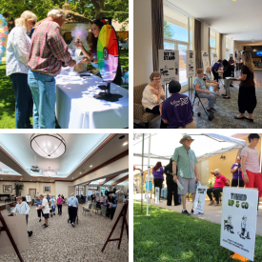
Wellness fairs bring new attention to improving healthspan in our life plan communities
Wellness fairs bring new attention to improving healthspan in our life plan communities
From fitness to brain health to meaningful connection, health and wellness fairs to support resident health and well-being.
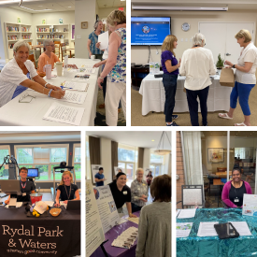
This year, our life plan communities are bringing health and wellness fairs to residents to help introduce two assessments designed to support whole-person well-being.
The events offer an interactive way to explore their health across physical, cognitive, and social dimensions. Residents can take part in two assessments: a functional fitness assessment, and a social health assessment, as well as sign-up for BrainHQ, an online brain training program. These tools help residents better understand their current baseline and discover opportunities to stay strong, sharp, and connected.
We’ll share more information about our efforts to help improve healthspan across our communities and HumanGood this summer. Enjoy these pictures from Plymouth Village, Rydal Park & Waters, White Sands La Jolla, Westminster Gardens, Royal Oaks, Regents Point, Springhouse, and Valle Verde showcasing our most recent health and wellness fairs!
Recognizing the Rewards of Resistance Training
Learn the essentials of resistance, strength and weight training, plus get tips for getting started.
Is your daily movement translating to functional endurance? To help you live better and longer, our healthspan initiative offers research-backed insights for healthier living into how you eat, sleep, move and connect with others.
This educational piece will focus mainly on the importance of strength training and the benefits of resistance training, particularly for older adults. After all, everyone who is able should strength train because it helps preserve and enhance muscle mass at any age.
The Many Benefits of Resistance Training
What is resistance training, and how does it differ from weight lifting and strength training? Women’s Health sums it up quite succinctly, stating that “Resistance training is the umbrella term, strength training is a goal that you can reach with resistance training, and you can use weight training as your method to reach said goal.”
In terms of health benefits, primary advantages include maintaining muscle mass and slowing age-related loss of bone strength. According to the Mayo Clinic, additional benefits include:
-
Helping to develop strong bones
-
Managing weight
-
Enhancing overall quality of life
-
Managing chronic conditions
-
Sharpening thinking skills
Resistance training becomes more critical as you age.
Age-related loss of bone density (osteopenia) and muscle mass (sarcopenia) are incredibly common and become more prevalent with age. The result is limited mobility, which significantly increases the risk of falls and fractures, particularly for aging populations.
But the right training regimen can help mitigate this hazard. UCLA Health names this as one of the primary benefits of resistance training for older adults, attributing strength training to:
Harvard Health summarizes the numerous advantages of resistance work as we age: “Strength training, in particular, has bone benefits beyond those offered by aerobic weight-bearing exercise. It targets bones of the hips, spine and wrists, which are the sites most likely to fracture. What's more, resistance workouts — particularly those that include moves emphasizing power and balance — enhance strength and stability. That can boost confidence, encourage you to stay active and reduce fractures another way: by cutting down on falls.”
The peer-reviewed article highlights the ever-present dangers of osteoporosis, maintaining that it “should be a concern for all of us.” Affecting an estimated 10 million Americans, the degenerative bone disease is “responsible for more than two million fractures each year.”
The Role of Functional Fitness Testing
For those interested in pursuing strength training, fitness testing can offer a baseline for where to begin in your exercise journey. Furthermore, continued regular assessments and progress tracking via wearable tech and other measurement methods can help motivate you to improve.
For example, at Judson Park, a HumanGood Life Plan Community in Washington, a group of 10 residents completed the initial baseline HumanGood Functional Fitness Assessment (FFA), followed by participation in a 45-minute functional fitness group class three times a week. Once they completed the 12-week program, participants retook the FFA. Results showed that functional fitness scores improved across all measures: strength, balance, endurance and flexibility. For one movement test — the single leg stand — average improvement was a whopping 177%.
Tips for Preserving Muscle Mass as You Age
Don’t worry: We’re not suggesting you start pumping iron seven days a week. Sufficient resistance training can be achieved even with no equipment — all it takes is a solid plan of action. Here are some tips for getting started:
Focus on form over volume.
No matter how much or how often you train, no one is immune to injuries. Perform all exercises with intentional, controlled movement. Research the appropriate ways to engage your muscles, prioritizing safety and maintaining proper form as opposed to reps.
Mayo Clinic advises: “It's important to use proper technique in strength training to avoid injuries. If you're new to strength training, work with a trainer or other fitness specialist to learn correct form and technique. Remember to breathe as you strength train.”
Give yourself time to rest and recover.
Be sure not to overexert yourself. Muscles need sufficient time to recover, so space out your sessions, and don’t work yourself to exhaustion every time. Promote muscle protein synthesis (the process that repairs and builds muscle tissue) by supplementing with amino acids and protein after workouts.
Diversify your routine.
Don’t stick to the exact same exercises for every session. Resistance training is a vast category of numerous activities, so mix and match your movements to include multiple muscle groups. Some options include:
- Body weight (e.g., squats, calf raises, planks and pushups)
- Resistance tubing/bands
- Free weights
- Weight machines
- Cable suspension training
Ideally, your regimen should employ a combination of strength training with aerobic exercise and balance practice for maximum muscle engagement. And don’t forget to stretch and hydrate before and after each session to promote better mobility!
Parting Advice
In summary, there are two primary ways to preserve and build muscle mass as you age: targeted resistance training and evenly distributed protein intake. Experts suggest older adults aim to consume at least 0.45 grams of protein per pound of body weight daily (or approximately 1 gram per kilogram of body weight per day).
Remember: You don’t have to spend hours at the gym to practice strength training. In fact, clinical exercise physiologist Jack Heseltine offers a detailed list of effective strength exercises you can do at home in just 10 minutes.
Expect more healthspan tips in the months to come!
How Hydration Keeps You Healthy
Discover the importance of staying hydrated plus tips for developing healthy drinking habits.
To help you live better and longer, our healthspan initiative offers research-backed insights for healthier living into how you eat, sleep, move and connect with others.
“Being well hydrated is at the top of the list if you want to age well,” according to the Buck Institute’s Jennifer Garrison, Ph.D. This educational piece will focus on the importance of staying hydrated as a way to maintain health and well-being as you age.
The Critical Importance of Hydration
Our bodies are an estimated 60-70% water. A good fraction of this is expelled gradually throughout the day, meaning we must replenish it regularly. And despite the majority of our body weight being water, a study by Sage Open Nursing estimates that 40% of older individuals may be underhydrated.
As we get older, our bodies undergo the following natural changes, which can make staying hydrated more challenging with age:
- Thirst mechanisms decrease: Your drive to drink water goes down as signals from the hypothalamus weaken.
- Muscle mass decreases: Your muscles hold water, so less muscle mass means less capacity for water storage.
- Kidney function declines: As kidneys age, they become less effective at concentrating urine and retaining fluid.
Dehydration: What You Need to Know
Not only are older adults more susceptible to dehydration than younger people, but those who are over 65 and dehydrated are also at an increased risk for fracture and delirium, according to the Buck Institute. Further research from the National Institute of Health concludes that severe dehydration can lead to confusion, fainting, inability to urinate and rapid heartbeat and breathing.
The long-term effects of not drinking enough water include a higher likelihood of developing chronic diseases such as diabetes and dementia, as well as kidney stones, constipation and decreased cognitive function.
Fluid Intake Recommendations
Ideal daily water intake depends on several factors, including sex, metabolism, activity level, diet and environmental conditions, which means the amount of water needed per day varies widely from person to person. As a guideline, UCLA Health recommends a target of 9 cups of water per day for women and 13 cups of water per day for men.
Tips for Staying Hydrated and Avoiding Dehydration
Try these suggestions for developing healthy drinking habits and staying ahead of dehydration.
1. Tracking intake is key.
In HumanGood’s health and wellness coaching group, participants used a simple notebook and pen to keep track of fluid intake. They found this incredibly helpful, with many noting it as the primary reason they were successful in drinking more water.
2. Don’t wait until you feel thirsty.
The U.S. Centers for Disease Control and Prevention recommends drinking before you feel the sensation of thirst, stating that “by the time you feel thirsty, you are already behind in fluid replacement.” Sip throughout the day at shorter intervals instead of drinking large amounts infrequently.
3. Keep a water bottle close at hand.
Look for opportunities to stay hydrated throughout the day. To inspire more water intake, bring a BPA-free reusable water bottle with you to the gym, to meetings, when you run errands or even when spending time with loved ones. During travel, bring an empty water bottle in your carry-on so you can fill up at a hydration station in the airport.
4. Avoid alcohol and soft drinks.
Alcohol and caffeine inhibit water retention, which increases the risk of dehydration. Limit consumption of caffeinated beverages, such as coffee, energy drinks and soda, and anything especially high in sugar.
5. Eat water-rich foods.
Because many fruits and vegetables are 70-90% water, adding them to your diet can help with hydration. Harvard Medical School provides a research-backed list packed with practical examples, from apples to zucchini.
6. Replenish electrolytes after sweating.
Electrolytes are essential for managing water retention. A healthy diet typically helps maintain electrolyte balance, but it’s a good idea to supplement them after prolonged sweating or exercise. The Cleveland Clinic suggests replenishing with natural plant-based juices, infused waters or homemade electrolyte drinks using coconut water, citrus fruit, ginger, raw honey or a pinch of table salt.
Parting Advice
As the weather warms up, take a look at your hydration habits to ensure you’re getting enough fluids. Keep dehydration at bay by keeping track of your water intake and finding ways to drink throughout the day. The National Institute on Aging provides some additional advice in its article, Hot Weather Safety for Older Adults.
Expect more healthspan tips in the months to come!
The Role of Movement in Mental Wellness
How does exercise help you feel better? Explore the mental health benefits of movement.
According to scientific literature published on the National Library of Medicine database, “Throughout life, exercise causes measurable biological consequences that enhance well-being.” What types of movement contribute to better mental health?
To help you live better and longer, our healthspan initiative offers research-backed insights into how you eat, sleep, move and connect with others for healthier living. In recognition of Mental Health Awareness Month, this educational piece will focus mainly on the role of physical fitness in maintaining and improving psychological and emotional health.
What Happens to Our Brains When We Exercise?
We’ve all heard that exercising can help you feel better mentally, but what actually occurs in our brains when we work out that causes these changes?
Several biological processes occur when your body gets moving. Most notably, there’s a spike in the release of endorphins (considered the “feel-good” neurotransmitter) and dopamine (the neurotransmitter linked to pleasure and motivation). Blood flow and thus oxygen flow increase as well, delivering necessary nutrients. The article from the National Library of Medicine notes, “Since the brain depends on oxygen and glucose, increased capillary beds enhance their delivery to brain tissue and, consequently, facilitate neuroplasticity."
Exercise promotes the process of neurogenesis (the development and creation of new neurons), which helps with executive functioning, emotional regulation, cognitive flexibility and memory. Findings from Harvard Health support this, claiming that regular aerobic exercise causes growth of the hippocampus (the area of the brain that deals with verbal memory and learning).
As it turns out, physical activity doesn’t just fortify your muscles and bones — it also boosts your brain health, a particularly important benefit for aging adults. The National Institute on Aging published a study suggesting that “Lifelong exercise could be a therapeutic strategy for promoting brain health and reducing the risk of developing neurodegenerative conditions.”
Benefits of Physical Activity for Mental Wellness
The physiological advantages of exercise — such as better cardiovascular function, higher bone density and improved musculoskeletal strength — are only the beginning. In addition to reducing your risk of certain cancers and diseases (e.g., heart disease and diabetes), regular physical activity helps improve:
✓ Energy levels, concentration and alertness
✓ Sleep quality and general mood
✓ Symptoms of depression and anxiety
Bonus Benefit: Socialization
You can also leverage your fitness routine to strengthen social ties by exercising with friends, family members, neighbors or community members. Working out in a group supports a holistic wellness lifestyle, satisfying emotional, physical and social needs simultaneously. Try group fitness classes, join a community gym or just walk with a friend or two regularly.
In fact, we're using a social health assessment at HumanGood that may encourage participation in group activities. The assessment evaluates social support and engagement using multiple validated measures, including the UCLA-3 Loneliness Scale and Duke Social Support Index.
Tips for Maintaining Mental Wellness Through Exercise
Stay moving and keep motivated. Here’s how:
-
Move in ways that feel good. Gentle movement, such as walking, stretching, dancing, chair exercises and more can improve your mood and reduce anxiety over time.
-
Take active breaks. A sedentary lifestyle is believed to accelerate brain aging. The U.S. Centers for Disease Control and Prevention recommends breaking up time spent at rest with movement — try stretching, take a walk, squat or march in place.
-
Keep track of your activity. Use a wearable device to monitor your daily movement and track your progress. We talked about some of the most popular tools of the trade in a previous piece!
-
Don’t overthink it. Exercise doesn’t have to be especially strenuous, structured or take a long time to be beneficial. Just be consistent.
Parting Advice
Exercise is good for your muscles and bones, yes, but it’s also proven to be increasingly beneficial for your brain and mental health. Be sure to prioritize moving throughout the day, and diversify your fitness or exercise routine to keep things fresh and challenging.
Expect more healthspan tips in the months to come!
New York Times features Plymouth Village and Castle Argyle Healthspan Programs
New York Times features Plymouth Village and Castle Argyle Healthspan Programs
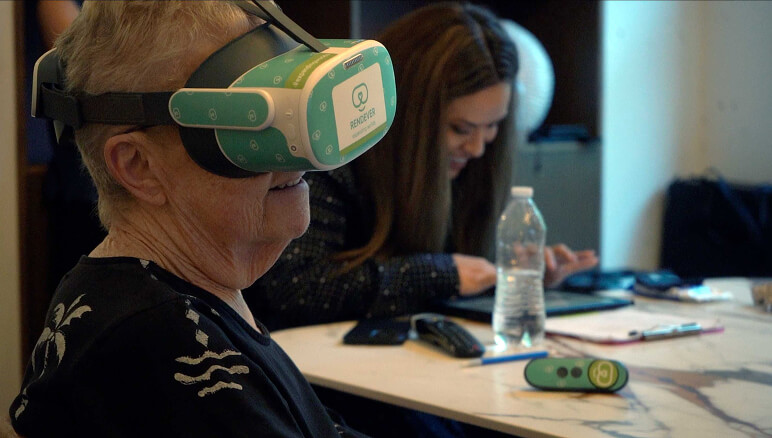
Residents and team members were interviewed about the use of virtual reality through Rendever.
A recent New York Times article features Plymouth Village and Castle Argyle residents using Rendever, a virtual reality platform, to reduce loneliness and improve social connection.
Team members and residents were interviewed explaining the program and the benefits they have seen. Read the full article here.
Advancing Healthspan Through Insight and Action
HumanGood is introducing a new way for residents to gain valuable insights into their personal healthspan journeys. Independent living residents across HumanGood life plan communities will have access to a Functional Fitness Assessment tool, giving them insights into their strength, balance, mobility and overall physical function. The knowledge the assessments provide aim to empower residents in better understanding their physical health and mobility in effort to make informed choices to support their long-term health and independence.
The new fitness assessment was piloted at three HumanGood life plan communities: The Terraces of Boise, The Terraces at San Joaquin Gardens and The Terraces at Summitview. Building on this success, all HumanGood life plan communities will introduce the Functional Fitness Assessment to residents by the end of July.
HumanGood is also excited to introduce a Social Health Assessment for life plan community residents, which aims to give residents more insight into their social engagement and emotional well-being status. The Social Health Assessment complements the growing library of healthspan offerings by incorporating a holistic perspective of a resident’s overall health and wellbeing. These point-in-time measures offer residents the opportunity to assess their own social relationships and mental wellness. Residents will receive a letter of results with score details and a variety of resources that encourage participation in community activities, social engagements, or proactive mental health support based on their results.
We appreciate the resident partnership committees, RAISE (Resident Advisory on Innovative Services and Experiences) and the Mental Wellness Committee, as well as The Terraces of Boise who have participated in the pilot of the HumanGood Social Health Assessment offering feedback and recommendations for improvement prior to its launch across all life plan communities by the end of July.
HumanGood Expands Health and Wellness Coaching to More Life Plan Communities
At HumanGood, we believe that health and wellness coaching can help empower our residents to make meaningful, sustainable life changes to support their long-term vitality, independence, and quality of life.
Through a small group coaching program guided by a certified health and wellness coach, residents in our life plan communities can engage in a supportive, non‑judgmental environment that blends science-backed education with personalized goal setting.
Building on the success of our initial pilot program at Royal Oaks and Westminster Gardens, two HumanGood life plan communities in Duarte, CA, HumanGood is excited to launch a new eight-person group coaching cohort at Redwood Terrace, our life plan community in Escondido, CA.
Participants will meet weekly for 12 weeks, beginning in April and engaging in guided discussions, personalized goal setting, and evidence‑based education designed to empower lasting change.
Participants in the pilot program reported improvements such as:
- Tangible health improvements, including better sleep, digestion, hydration, energy levels, and fitness engagement
- Increased accountability and consistency through weekly check‑ins and group support
- Greater confidence and self‑awareness around how everyday choices affect long‑term health
Just as important, participants shared that the program helped them feel more in control of their health — replacing uncertainty with clarity, motivation, and purpose. In the future, HumanGood hopes to explore ways to make health and wellness coaching opportunities more affordable so more residents across our life plan and affordable housing communities can benefit from it.
Getting Better With Age Is More Common Than You Think
A new Yale University study, published in the journal Geriatrics, is turning conventional wisdom about aging on its head — and the findings are genuinely uplifting. Washington Post
Researchers found that nearly half of adults over 65 actually improved (physically, cognitively, or both) over the course of the study. The Detroit News
The improvements weren't limited to a small group of exceptional individuals. They were common and linked to a powerful but often overlooked factor: how people think about aging itself. Yale School of Public Health
People who viewed getting older positively were more likely to show improvements in their cognitive skills and walking speed, while those with more negative views tended to see decline. Scientific American
As one doctor put it, this isn't a drug or a surgery, it's an attitudinal adjustment, and the mind-body connection turns out to be as powerful as many medications, without any of the side effects. The Detroit News
The good news? Your mindset about aging isn't set in stone. Spending time in intergenerational settings, staying purposeful, and simply believing that growth is still possible can genuinely shape how you age.
No matter your age, your health and well-being are foundational to living your best life. That’s why we publish and curate information to inspire you on what’s possible and educate you on what’s practical. You can learn more about improving your healthspan by reading these other helpful articles on our website healthspan.humangood.org.
Read the full Washington Post article here
Why Train Your Brain? (And How?)
Understand the importance of maintaining cognitive health through practices such as brain games and lifelong learning.
Your brain, like your muscles, relies on intentional, sustained training to stay in shape.
To help you live better and longer, our healthspan initiative offers research-backed insights for healthier living into how you eat, sleep, move and connect with others. This educational piece will focus mainly on brain health, including how to maintain it, boost it and stave off cognitive decline.
A Closer Look at the Aging Brain
It’s no surprise that, as we age, our brains change. “Cognitive decline is a part of normal healthy aging,” according to the American Psychological Association, but there are ways to minimize it and possibly slow it down.
Research confirms that humans lose brain volume as they age, a process that’s referred to as neurodegeneration. These changes can include:
-
Certain parts of the brain shrink.
-
Communication between specific neurons may be less effective.
-
Blood flow in the brain may decrease.
-
Inflammation may increase.
The good news is that, according to The Buck Institute, “The brain maintains ‘plasticity’ throughout most of our lifetime, and scientific interventions show promise.” We look at some of these research-backed tactics below.
Can We Slow Down Brain Aging?
Ultimately, we can’t stop the natural changes that occur to our brains as we age, but we can take measures to combat the effects of neurodegeneration. Food, sleep, exercise, social engagement — they all go hand in hand when it comes to longevity.
Tips for Boosting Brain Health
-
Do your best to manage stress. Make time for mindfulness, meditation, therapy or other healthy habits that keep anxiety and stress at a minimum.
-
Remain active and diversify exercise routines. Prioritize physical fitness and varied movement to regularly engage all of your muscles.
-
Stay engaged with lifelong learning efforts. Learning means developing new and stronger connections (known as synapses) between neurons in your brain, promoting neuroplasticity.
-
Get enough sleep and social engagement. Make an effort to sleep for at least 7 hours every night, and interact with at least one person (even if it’s your barista) every day to stay stimulated.
-
Include lots of fruits, vegetables, legumes and whole grains in your diet. Research suggests that certain foods, such as leafy greens, berries and walnuts, can nourish the brain.
-
Don’t assume your cognitive health status. Use a research-backed brain training tool to stay sharp and help protect against cognitive conditions, such as dementia.
Research-Backed Brain Training
How can we exercise our brains? While practicing skills is great for your mental, physical and cognitive health for various reasons, it isn’t necessarily effective for building a rich network of synapses and supporting plasticity. For that, try lifelong learning tactics, such as:
-
Engaging in interesting problems
-
Developing flexible strategies
-
Interacting with other people
In your brain training journey, you’ll likely come across games and puzzles that claim to improve cognition, but it’s important to confirm the supporting research behind them. For example, one evidence-backed resource you might want to consider is BrainHQ, an organization that specializes in exercises for memory, attention and more — with proven results. In a long-term study, adults who participated in BrainHQ’s cognitive speed training and boosters reduced their risk of getting Alzheimer’s and dementia by 25%.
Parting Advice
Proper brain training can halt or even reverse symptoms of brain aging, but stimulating your brain with diverse activities and movement strengthens more than just neurological connections; it also helps support your overall health and wellness. Take walking with a friend as an example — it strengthens your heart, brain, mood and social bonds at the same time, making it one of the simplest habits for long-term health.
Consult with your physician regularly to discuss any concerns about your cognitive health. You can visit the BrainHQ blog for additional insights on bettering your brain health, and expect more healthspan tips in the months to come. In the meantime, browse some of our other healthspan updates for even more ways to live better.
The content of this article was reviewed by Dr. Chris Jaeger, MD, consulting medical director, HumanGood.
How To Find and Follow Your Good 🏹
Discover the power of purpose and how pursuing your passions can unlock the joys of aging.
To help you live better and longer, our healthspan initiative offers research-backed insights to improve how you eat, sleep, move and connect with others. This educational piece will focus mainly on mental health — specifically, how pursuing your passions can enhance both your cognitive health and quality of life.
The Benefits of a Meaningful Life
When our motivation flounders, it’s important to remind ourselves of our “why” — what is the underlying purpose that truly drives us? And why is it so important to have one?
To illustrate, we turn to the acclaimed research of Dan Buettner and Sam Skemp. What was initially an expedition for National Geographic “evolved into the discovery of the five places around the world where people consistently live over 100 years old,” based on nine evidence-based commonalities. It’s believed that these common denominators, known as “The Power 9,” are capable of slowing the aging process.
One of the commonalities — “purpose” — can be described as “why I wake up in the morning.” According to the research, “knowing your sense of purpose is worth up to 7 years of extra life expectancy.”
10 Research-Backed Benefits of Living With Purpose
Psychology Today states that simply having a purpose in life can have numerous benefits, including:
-
Happiness and well-being
-
Healthier habits
-
Stronger relationships
-
Greater prosperity
-
Higher functional fitness
-
Lower all-cause mortality
-
Better sleep
-
Reduced risk of Alzheimer’s
-
Better mental health
-
Better heart health
What It Looks Like To Live Meaningfully
Everyone’s journey to finding themselves looks a bit different. Don’t put yourself in a box! Be curious, and explore new experiences that may offer a fresh perspective.
Consider Doug, an avid golfer, who shot an enviable 73 at the age of 72. When he’s not out on the course, his artistic endeavor of choice is singing in the church choir, which he has done for more than 30 years. He also serves as first vice president of the Residents’ Council at The Terraces at San Joaquin Gardens, focusing on creating consensus among the residents and taking on community projects, including a solar energy proposal.
Or look at Victor of The Mansion at Rosemont in Pennsylvania. When he was invited to attend one of the first meetings of the “Rosemont Players” drama club, he was somewhat apprehensive because he had no real interest or experience in drama. But six productions later, Victor is smitten with the stage and the camaraderie it has created in his life.
Practical Advice for Finding Your Purpose
There can be a lot of pressure to live meaningfully in your later years and find your passion project, especially if you have newfound free time. Here are a few tips to get you started:
Reframe Your Mindset About Aging
Try to focus on the joys of getting older instead of the hassles. Despite what you may believe, you can rediscover passions or learn something new at any age. An article from Yale Public Health Magazine puts it succinctly, “Positive age beliefs ... lead to better health and even longer life – 7.5 years on average, in fact.”
Take Time for Self-Discovery
Spend some time reflecting on your life. Consider your interests and what makes you feel the most “you.” Some people find that practicing mindfulness by journaling is an effective method of self-reflection, while others may turn to group or individual therapy to learn more about themselves. Everyone’s journey to self-discovery looks different — what matters is unearthing your true self.
Find Your People
Become a part of a supportive community and nurture it. Find a group or a like-minded individual to build connections with; human connections and community can be a source of encouragement, motivation and curiosity. Get involved in your community, volunteer or join a club — it helps to have people there to inspire and motivate you!
Plenty of older adults use social media sites, such as Facebook, to search for and find classes, workshops or other events for those with similar interests. Don’t be afraid to branch out and explore something brand-new!
Parting Advice
And remember: Don’t put too much pressure on yourself to “find your calling.” While it's helpful to create goals for yourself, don't beat yourself up if you don't reach them right away. Take your time to try new things, experiment and connect with others that may bring inspiration and unexpected interests.
The path to your good is paved with potential. Instead of focusing on hitting objectives, prioritize relationships, lifelong learning and continued growth, and you will get there.
For questions, feel free to contact innovation@HumanGood.org — and expect more healthspan tips in the months to come!
A Love Letter to Your Body
Show your body the appreciation it deserves with these nutrition and wellness tips.
To help you live better and longer, our healthspan initiative offers research-backed insights into healthier living via how you eat, sleep, move and connect with others. This educational piece will focus on ways to nourish your body and show your appreciation for all it achieves by giving it the fuel it needs to stay strong and sharp.
Food Is Medicine
“At the heart of it, the answer is very simple: We could solve diseases by improving nutrition.” –Buck Institute Professor Pankaj Kapahi, Ph.D.
Research shows there are four pillars of a healthy diet for your heart and your brain:
- Leafy greens
- Colorful fruits and vegetables
- Fish
- Nuts, whole grains and legumes
Examples of necessary nutrients include carbohydrates, protein, fat, potassium, iron, B vitamins, and vitamins A, C, D, E and K. Prioritize getting essential vitamins and minerals via real food over supplements. As Adam Baird, HumanGood’s culinary director, likes to say, “Nature provides organically. Supplements or fortifications cannot replace the organic and natural components a well-balanced diet contains.”
According to the >National Institutes of Health (NIH), “Some dietary supplements can improve overall health and help manage some health conditions,” but be sure to talk to your physician or registered dietitian to determine what you should be taking.
Often-Overlooked Health & Wellness Advice
With so much information out there regarding personal health, you want to be sure you’re taking the right approach to wellness. Below, we clear up a few common misconceptions.
Pay attention to protein intake.
Protein is an essential macronutrient that provides our bodies with the building blocks it needs to build and repair cells, tissues, bones and muscles. Research suggests that older adults actually need to consume more protein than the average person, with one study of nearly 12,000 individuals aged 51 and older revealing that approximately 46% didn’t meet the daily protein recommendations.
As muscle mass declines with age, the need for protein becomes increasingly important. The general recommendation for those aged 60 and older is 5-6.5 ounces of protein daily. Try to eat a variety of protein-rich foods to get more of the nutrients your body needs.
Stay hydrated.
Approximately 17-28% of Americans are chronically dehydrated, and, according to the NIH, older adults “are 20% to 30% more prone to developing dehydration.” To combat this, the National Council on Aging recommends adults consume approximately one-third of their body weight in ounces of fluids daily. For those aged 51 and older, the National Academy of Medicine suggests about 13 cups for men and nine cups for women per day of fluids.
Tips for Nourishing Your Body
Get enough sleep.
We’ve mentioned it before, and we’ll keep saying it! Good sleep is immensely important to your physical and mental health. The Mayo Clinic recommends adults get 7-9 hours of sleep per night.
Don’t forget to stretch.
Maintaining mobility only becomes more critical as you age and is only possible through regular stretching and mobility training. Harvard Health explains: “Stretching keeps the muscles flexible and healthy, and we need that flexibility to maintain a range of motion in the joints. Without it, the muscles shorten and become tight. Then, when you call on the muscles for activity, they are unable to extend all the way. That puts you at risk for joint pain, strains and muscle damage.”
Prioritize diverse movement.
Of course, exercise is important, but it’s also important to diversify your fitness routine to engage all of your muscles. A combination of cardio (aerobic), strength training and balance work is ideal.
Limit consumption of highly processed foods.
Try to limit artificial sugars, refined carbs, processed meats and other ultra-processed foods, which “tend to include ingredients and additives not generally used in home cooking and contribute to excess calorie consumption,” according to the Yale School of Public Health. These items have typically been modified, making them lower in nutrients and proven to increase the risk of obesity, heart disease and other chronic conditions.
Develop a meditation routine.
This doesn’t have to mean forcing yourself to sit in silence! Find your flow by participating in activities that help you achieve mindfulness, such as journaling, hiking, walking or yoga.
Parting Advice
Food equals fuel — put good in, get good out! When we show our bodies love through nourishment and movement, they love us back by helping us thrive every day.
Listen to your body, practice moderation and partner with your doctor to know what's right for you. Your routine doesn’t need to be perfect. Give yourself credit for positive action and practice gratitude for the things you're doing well.
Expect more healthspan tips in the months to come, and you can find out more about the science behind making good lifestyle choices by visiting the Buck Institute's focus area page on exercise, nutrition and metabolism.
New Year, New You
Find out how to make fitness resolutions that are both ambitious and attainable.
To help you live better and longer, our healthspan initiative offers research-backed insights for healthier living into how you eat, sleep, move and connect with others.
Because many of us have goals surrounding our physical health and fitness, this educational article focuses on “move” as it relates to forming (and sticking to) your New Year’s resolutions. It’s not only about finding ways to get moving but also about building healthy habits through intentional, incremental lifestyle changes. The bottom line: Consistency is more important than intensity.
Let’s dive in!
The Importance of Staying Active
In a Centers for Disease Control and Prevention (CDC)-sponsored podcast, The Importance of Physical Activity for Older Adults, host Montrece Ransom sits down with the CDC’s Dr. David Brown, senior behavioral scientist with the Division of Nutrition, Physical Activity and Obesity.
In the episode, Dr. Brown states: “Physical activity can help us feel better, age better and improve our quality of life so we can keep doing the things we enjoy. Benefits include improved muscle strength, bone health and physical function, which are especially important for helping older adults prevent falls and maintain independence for as long as possible.”
Dr. Brown also stresses an important point: Some physical activity is better than none at all, so do what you can and what your body allows. This is especially crucial advice for those with chronic conditions. Remember: Even small changes add up over time! The important thing is to prioritize self-motivation and forming healthy habits, not burn yourself out.
Exercise Regimen Recommendations
The CDC recommends that those 65 and older participate in a mix of aerobic, muscle-strengthening and balance activities every week. However, people of all ages can benefit from a diverse fitness regimen that includes all of these activities. Research from the Buck Institute reveals that “variety is the spice of fitness,” meaning diversity must be integrated into our routines to include:
- Aerobic physical activity for at least 150 minutes at moderate intensity (e.g., 30 minutes a day, 5 days a week), 75 minutes at vigorous intensity or an equivalent combination of moderate and vigorous intensity exercises
- At least two days of activities that strengthen muscles (using weights or resistance bands)
- Activities to improve balance (such as standing on one leg, using a wobble board or practicing yoga)
In the podcast, Dr. Brown shares some examples of exercises from each of the three primary movement categories: “Aerobic activities include walking, dancing, swimming, and water aerobics. Muscle strengthening activities include lifting weights, working with resistance bands and gardening. And balance activities include walking heel to toe, standing from a sitting position and standing on one leg.”
Tools of the Trade: Wearable Tech
Wearable health-monitoring technology consists of a digital accessory worn on your person that remotely monitors activity and records health attributes in real time. While some of these devices take the form of discrete jewelry (Oura Ring, Limitless Pendant), others can be clipped to clothing (Fitbit Inspire), but many are worn on the wrist (Samsung Galaxy Watch, Google Pixel Watch and Apple Watch).
Although not necessary for staying active, these digital devices help track progress and provide external encouragement. For example, Apple Watch users may be familiar with the incentive of “closing rings,” which represents successful completion of a daily exercise objective (e.g., walking 10,000 steps). This effective feature is known as gamification, and findings originally published in the journal Management Science support its efficacy in promoting physical activity, calling it “a potentially powerful vehicle for improving health behaviors at scale.”
General categories of wearables include:
- Smartwatches, such as an Apple Watch or Medical Guardian
- Fitness devices, such as a Fitbit, Whoop, or Garmin vívosmart
- Smart hearing aids, such as Eargo or Jabra Enhance
- Medical alert systems, such as MobileHelp or Bay Alarm Medical
- GPS trackers, such as AngelSense or Family1st
There are a lot of options on the market, and more are being added all the time. The wearable that’s best for you will depend highly on your individual health needs and preferences. Be sure to consult with your physician about the specific health qualities you need to be monitoring and the best approach to keeping track of them. They can help match you with a device that aligns with your fitness goals, lifestyle and budget.
Parting Advice
When it comes to exercise, do what you can, but push yourself to grow. We think this quote sums up our point pretty succinctly:
"You can have results or excuses, not both.” –Arnold Schwarzenegger, 78
And here’s the good news: Like Buck researcher Mark Tarnopolsky, MD, Ph.D., says, “It’s never too late to start exercising. ... You don’t have to spend your life pumping iron in a gym to reap benefits.” In other words, you don’t have to train like Arnold to be fit — and you can get started anytime!
Feel free to visit the National Institute on Aging for more tips on developing a fitness routine as you age, and expect more healthspan tips in the months to come!
The Significance of Social Connection
See why socialization is essential to your health — plus, get some tips for staying connected!
The World Health Organization (WHO) now recognizes social connection as a global public health priority. Social connectedness is a basic human need, critical to our mental and physical health — as important as food and shelter. The following illustrates just what makes social health so important and how to prioritize it in your everyday life.
Are We More Isolated Than Ever?
With the vast availability of social networks and online access to just about any part of the world, it feels easier than ever to connect with others. However, these amenities may be exactly what is causing the modern “epidemic of loneliness,” particularly in older adults.
“Years after the U.S. began to slowly emerge from mandatory COVID-19 lockdowns, more than half of older adults still spend more time at home and less time socializing in public spaces than they did pre-pandemic, according to new CU Boulder research.”
The True Impact of Social Isolation
Loneliness doesn’t just affect our moods — social isolation is connected to our physical health, which in turn impacts our immunity. Expanding on our focus on proactive immune health, social connectedness can actually strengthen your immune system. A study published in the journal Psychosomatic Medicine states, “Social contact is associated with increased antiviral immunity,” and can even reduce inflammation.
But loneliness impacts far more than just your immune system. Research proves that social isolation is actually worse for you than smoking. This isn’t conjecture — The U.S. Surgeon General’s Advisory on the Healing Effects of Social Connection and Community states: “The mortality impact of being socially disconnected is similar to that caused by smoking up to 15 cigarettes a day, and even greater than that associated with obesity and physical inactivity.”
The advisory goes on to say that isolation and lack of social connection in general have been proven to increase the risk of:
- Premature death
- Contracting viruses and respiratory illness
- Disease (specifically heart disease and stroke)
- Anxiety, depression and dementia
“Social connection, like exercise, is a preventative strategy as well as a treatment strategy for chronic conditions, such as obesity, diabetes, cardiovascular disease, cancer and depression.” –Paper in the American Journal of Lifestyle Medicine
The Science of Social Connectedness
Humans are social creatures by nature, which means we need regular, productive interactions with others. According to the paper published in the American Journal of Lifestyle Medicine, “Some psychiatrists go so far as comparing social connection to vitamins: ‘just as we need vitamin C each day, we also need a dose of the human moment—positive contact with other people.’”
The potential health benefits of social connection, according to the Centers for Disease Control and Prevention (CDC), include longer life and better overall health and well-being. It can improve:
- Healthy eating habits
- Physical activity level
- Quality of sleep
- Our ability to manage stress, anxiety, and depression
Additional research confirms “social connection factors as independent predictors of mental and physical health, with some of the strongest evidence on mortality.” These findings are supported by another study, which concluded that “good social connections...are associated with slower cognitive decline.”
Practical Advice for Combating Loneliness
The American Journal of Lifestyle Medicine article recommends connecting with at least one other person in a meaningful way daily, or once a week at an absolute minimum. “Experiencing a sense of belonging to a group is also beneficial, and engaging in group activities once a week or at least once a month is a good place for patients to start.”
Here are a few more tips based on recommendations from the CDC:
Strengthen existing relationships.
- Focus on quality, not quantity. Prioritize deepening existing relationships by reaching out or scheduling time to meet.
- Be responsive, supportive and grateful. Reply to messages in a timely manner and thank people when they reach out.
- Mend meaningful relationships. Practice communication skills by seeking clarification and addressing negative feelings if they arise.
Leverage technology to connect with others.
- Find your crowd. Join common-interest Facebook groups or create a text message group chat with your neighbors.
- Connect with the community. Look up volunteer opportunities online or visit your local library for ideas on how to get involved.
- Pick up the phone. Schedule regular phone calls or video chats with loved ones who live far away.
Think outside the box.
- Don’t overlook the ordinary. Buddy up for basic everyday tasks (e.g., running errands, physical activities or having lunch).
- Head outdoors. Go on a nature walk, visit a local farmers market or start a community garden.
- Learn something new. Sign up for a class, workshop or educational course.
Parting Advice
At HumanGood, we know that relationships are the key ingredient in the recipe for a happy and healthy life. Our advice? Give as much as you get, and don’t be afraid to step out of your comfort zone. There are so many great connections waiting for you just beyond its borders!
And for those seeking additional ways to stay healthy, expect more healthspan tips in the months to come!
Immune Health Through the Seasons
Learn how seasonal changes and aging can impact your immunity — and how to boost it!
Being "healthy" can mean a lot of different things, but it doesn’t mean never getting sick. Everyone gets sick. What does it mean to have a healthy immune system, and how can you boost your immune health as colder months approach?
To help inspire the best lives for our residents and team members, HumanGood has introduced our healthspan initiative — made up of new programs, measures, research and awareness campaigns for our residents and team members.
This educational article covers the topic of immune health, showing you how to prioritize it in your everyday life and as you age, particularly when faced with the seasonal increases in communicable diseases, such as the flu and COVID.
Let’s jump in!
The Importance of a Healthy Immune System as We Age
According to Medline Plus, a number of immune changes are more likely to occur as you age, including:
- The immune system becomes slower to respond, increasing the likelihood you will contract an illness.
- There are fewer immune cells in the body to bring about healing, meaning the body may heal more slowly.
- The immune system's ability to detect and correct cell defects declines, making you more susceptible to infections and cancer.
What is inflammation’s role in immunity?
The Mayo Clinic notes that, as we get older, our innate immune cells proliferate, resulting in increased inflammation throughout the body. The National Institutes of Health (NIH) and numerous other health care agencies refer to this concept as “inflammaging” — the loss of adaptive immunity and the gain of nonspecific innate immunity, which leaves older adults susceptible to infection and unprotected from chronic tissue inflammation.
“This chronic low-level inflammation — often called inflammaging — can exhaust the immune system, so there aren’t enough cells to fight infections. It also can damage nearby healthy tissues,” according to the Mayo Clinic.
Our friends at the Buck Institute also examine the relationship between immunity and inflammation, claiming that all nine hallmarks of the aging process are “triggered by having systemic chronic inflammation in your body,” often referring to inflammation as the “10th hallmark.”
How the Seasons Affect Immunity
There are several ways that the changing seasons affect our immunity. First of all, cooler temperatures and shorter days bring people indoors, which not only limits vitamin D intake but also puts you in closer contact with others, increasing exposure to germs. Additionally, research finds that viruses multiply more rapidly in drier air and lower temperatures.
According to BBC.com, the seasons actually affect human genes. Findings conclude that, of the 22,000 genes scrutinized (nearly all the genes humans possess), a quarter of them showed signs of seasonal variation. “The gene changes that interested the researchers the most were ones involved with immunity and, specifically, inflammation. During cold, winter months ... these genes were more active.”
Healthspan Advice: Tips for Boosting Immunity
Naturally, one of the most impactful ways you can protect your immunity and prevent the spread of illness is with good hand hygiene. Washing your hands may seem like a simple task (and it is!) — even the Centers for Disease Control and Prevention (CDC) states that “handwashing with soap is one of the best ways to stay healthy.”
In addition to washing your hands for at least 20 seconds when necessary, here are a few other tips for boosting immunity:
Prioritize balanced nutrition.
In his article Boosting Immunity: A good practice anytime, Eric Verdin, president and CEO of the Buck Institute, offers a list of foods you should be sure to include in your diet, including:
- Leafy greens, which contain iron, folate and Vitamin C
- Carrots and sweet potatoes, which are high in Vitamin A
- Bell peppers and citrus, which have high amounts of Vitamin C
- Nuts, lentils, seeds, meat and oysters, which are good sources of zinc
Strengthen your body with dynamic exercise.
Getting regular exercise is important, but it’s critical to diversify your regimen. According to the CDC, those who are 65 years or older require a combination of aerobic, muscle-strengthening and balance activities every week. In terms of aerobic physical activity, 150 minutes per week of moderate-intensity exercise or 75 minutes of vigorous-intensity exercise is recommended. Remember, a strong body = a strong immune system!
Update your vaccines.
The NIH states that “Vaccines specifically formulated for older adults are now available and have been shown to provide greater protection from viral infections such as influenza. These vaccines have higher concentrations of antigen or are formulated with adjuvants to boost aging immune responses.”
Two immunizations older adults should consider are the COVID shot (or booster) and the flu shot. Talk to your physician or pharmacist about which vaccines are most age-appropriate for you.
Get enough sleep.
Sleep quality also impacts immune function. The NIH suggests most adults should get 7-8 hours of uninterrupted sleep each night, while older adults should get 7-9 hours.
“What we are learning is that sleep modulates the production of cells that are the protagonists — the main actors — of inflammation,” Filip K. Swirski, Ph.D., director of the Cardiovascular Research Institute at Icahn School of Medicine at Mount Sinai, New York City, said. “Good, quality sleep reduces that inflammatory burden.”
Parting Advice
Of course, always consult with your physician if you have concerns about your immune responses or if you feel you’re constantly getting sick.
Seasonal changes aren’t the only thing impacting your immune health — age also plays a big part! Make sure you’re getting the sleep, nutrition and exercise necessary to keep you in top-notch shape at any age.
For more information on immunity and its relationship with aging, check out this podcast episode from the Buck Institute, Immunity and Beyond.
Instead of just adding years to your life, the HumanGood healthspan initiative aims to add more life to your years by offering resources to increase your healthspan and boost your quality of life. Expect more healthspan tips in the months to come!
Boosting Brain Health
It’s never too late to prioritize brain health! Here are some simple ways to maintain and improve cognition.
When we talk about being “healthy,” we often only consider what we can see or feel. But what about how we think? Cognitive health also impacts healthspan — the years people live in good health with vitality and purpose.
To illustrate what healthspan is and provide guidance on how to live a long and healthy life, we’ve developed the HumanGood healthspan initiative — made up of measures, programs, research and awareness content (such as this communication) for our residents and team members. We will periodically share healthspan-related educational articles and insights for increasing healthspan and quality of life.
Today, we focus on brain health and why it’s never too late to prioritize it in your everyday life. We offer some simple steps — backed by the latest research — that you can take to maintain and improve your cognition.
Improving Cognitive Health
As we age, our body systems undergo certain changes that affect our muscles, metabolism and brain. Because less use leads to diminishing performance, we may experience reduced muscle strength, decreased flexibility, new nutrient requirements and reduced neural connections.
But you can help combat this loss by keeping your brain sharp.
What are some other ways we can keep our brains sharp? Here are a few suggestions from experts in the field:
- Stay social. Have coffee with a friend, reach out to a high school buddy, volunteer or join a club to get involved in the community.
- Stay engaged. Keep your mind stimulated with structured games, such as crossword puzzles, or try learning a new language or recipe.
- Stay active. Aim for at least 150 minutes of moderate exercise a week that includes a variety of movements. That's right, physical activity supports brain health!
Change can be hard. Experts advise starting small. Build healthy habits gradually and focus on consistency over intensity. For more info on cognitive fitness, check out Cognitive Fitness: Help your brain look great in spandex. And most importantly, if you have concerns about your brain health, consult your physician.
Can We Help the Aging Brain?
For many seniors, neurodegeneration due to brain aging is a serious concern. Scientists have been researching for decades whether or not humans are capable of stalling or even slowing the degeneration of neurons, which is widely considered to be a cause of cognitive disorders, such as dementia.
Associate professor Ashley Webb, Ph.D., investigates the molecular mechanisms of brain aging and neurodegeneration at The Buck Institute’s Webb lab. She studies cognitive activity in animals to draw parallels between their brain activity and that of humans.
“It’s been dogma that after reaching adulthood humans can’t form new brain cells,” according to The Buck Institute. Research has disproven this dogma in rodents, leading to the hypothesis that the human brain may have the same capacity for neurogenesis, regrowing and developing nervous tissue. Such findings offer hope for minimizing the risk of conditions such as Alzheimer’s.
Lifelong Learning for Lifelong Health
“I care about brain health because I want to remember the names of all the people in my community and to contribute to the meaningful conversations that happen around the lunch table.” —Dorothy Keane, HumanGood resident
A healthy brain means prioritizing lifelong learning. What does it mean to be a lifelong learner? An article by Claire Spafford, science educator at The Buck Institute, says: “Keeping our brains plastic through exposure to new experiences keeps them primed to adapt to the changes that come with aging.”
She notes that "engaging in interesting problems, developing flexible strategies and interacting with other people helps a brain build a rich network of synapses and supports the plasticity necessary to respond to new challenges.”
Don’t just think. Engage. Explore. Expand. Because there’s evidence that “neurons start forming new synapses within a few hours of trying something new,” which means your brain is just waiting to soak up some new knowledge!
Parting Advice
A healthy mind is the foundation for a healthy life. Keep your mind stimulated by getting enough physical exercise, staying social and pursuing lifelong learning.
Our mission at HumanGood is to inspire your best life, and that requires a holistic approach to wellness — one that considers every aspect of personal health, including mental and physical. By providing you with the information and resources you need to maintain and improve your health, we fulfill this mission and help create a better community for our residents and their families.
The content of this article was reviewed by Dr. Chris Jaeger, MD, consulting medical director, HumanGood
Healthspan: Why It’s Important To Focus on Living Healthier for Longer
Learn about healthspan and get tips for living better.
At HumanGood, our mission is to inspire your best life, and we believe that living your best life starts with your health.
Research shows that healthy aging means more than just living a long life — it’s about being healthier during the years that we have. While lifespan focuses on the quantity of years, healthspan is all about quality. The goal of improving one's healthspan is to live better for longer times in your life — to have more years where you are able to live healthier and continue to do the things you love as you age.
Healthspan and HumanGood
To help inspire the best lives for our residents and team members, HumanGood has introduced our healthspan initiative — made up of new programs, measures, research and awareness campaigns for our residents and team members.
At this year’s The Big Connect, President and CEO John Cochrane shared the need to close the gap between healthspan and lifespan and how HumanGood is contributing to a better quality of life for everyone.
“[The goal of our healthspan initiative] is to translate the idea of healthspan from the most brilliant minds in the world ... into something you can eat, sleep on, wear and ultimately get customized recommendations from. Why does that matter? Because breakthroughs may be discovered in the lab, but that is not where they are brought to life. Only we can do that,” he said.
Simple Tips to Boost Your Healthspan
What steps can you take to boost your healthspan and add more life to your years?
“[One paper found] that 93% of human longevity is nongenetic — around choice and exposure. This is [just] one paper, but it shows at a high level how much our choice and what we do now, or even later in life, actually affects our ability to live longer.” —Remy Gross, executive vice president, The Buck Institute for Research on Aging.
As individuals, we all have the ability to improve our healthspans through practical action and healthier choices. Healthspan is holistic. It encompasses a lifetime of good health and the ability to continue doing the things you enjoy.
How can you start to improve your healthspan?
- Get enough sleep: Sleep has a massive impact on your happiness, immune system, heart health, weight management, quality of life and mental health.
- Stay social: Step outside of your comfort zone to talk to others you may not know well, seize opportunities for interaction and live in a supportive community full of friendly people.
- Prioritize good nutrition and stay hydrated: Focus on a balanced and varied diet that includes plenty of water and whole foods to support your body and prevent any nutritional deficiencies.
- Adopt a physical fitness routine: Even low-impact exercises, such as water aerobics, Pilates, yoga, walking, cycling and weight training, can have a large impact on improving your health.
- See your doctor regularly: Checking for conditions before they become a problem and managing them mindfully allows for timely treatment and prevention of further complications. Plus, it enables you to make any necessary changes to reduce the likelihood of chronic conditions.
You can learn more about these tips from our blog post, A Longer, Healthier Life: Simple Tips to Boost Your Healthspan.
Parting Advice
Healthy living can be easy — and fun! Living well is all about discovering what makes you feel great by making healthy choices and prioritizing your mental, physical and social health.
Instead of just adding years to your life, the HumanGood healthspan initiative aims to add more life to your years by offering resources to increase your healthspan and boost your quality of life.
We will be sharing more information about ways you can improve your healthspan in the months to come.